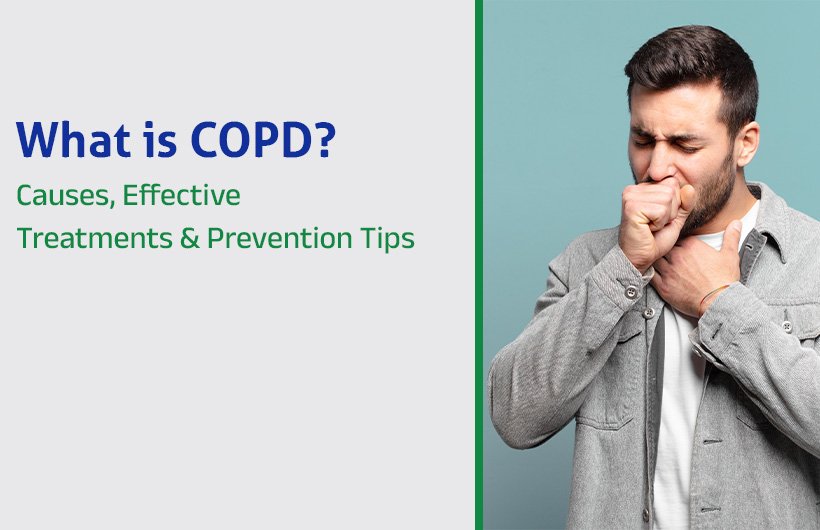
Chronic Obstructive Pulmonary Disease (COPD) is among the most prevalent respiratory conditions today. Many people often overlook early signs, such as persistent coughing or shortness of breath, assuming they are simply due to ageing or seasonal changes. However, COPD requires timely medical attention, appropriate treatment, and daily lifestyle support to prevent complications.
In this blog, we discuss what COPD is, its primary causes, common symptoms, and practical care tips that you can easily incorporate into your routine. Written in simple, easy-to-understand language, this guide helps you take better care of your lungs and manage your condition effectively.
Dr Kunal Waghray, a leading pulmonologist in Hyderabad, highlights that early diagnosis and personalised treatment can greatly enhance the quality of life for individuals living with COPD. Let’s dive into everything you need to know about this condition.
What is COPD and How Does It Affect Your Lungs?
COPD is a long-term lung disease that makes it difficult to breathe. It includes two main conditions:
- Chronic bronchitis – swelling and mucus buildup in the airways
- Emphysema – damage to the air sacs inside the lungs
When these airways and air sacs are damaged, your lungs cannot move air properly. This causes breathlessness, fatigue, and frequent coughing.
COPD develops slowly, usually over years, and the symptoms worsen if not treated in time. Many people find out they have COPD only when the condition becomes severe. This is why understanding what COPD is and its early signs is important.
Common symptoms of COPD include:
- Shortness of breath, especially during physical activity
- Persistent cough
- Excess mucus
- Wheezing
- Feeling tired easily
- Frequent lung infections
If these symptoms persist for weeks or months, it’s crucial to have your lungs evaluated by a lung and chest specialist like Dr Kunal Waghray. Early assessment can help identify underlying issues, provide timely treatment, and prevent complications, ensuring better lung health and overall well-being.
What Are the Main COPD Symptoms and Causes?
Understanding COPD symptoms and causes can help you protect your lungs from further damage. The condition is preventable and treatable if you identify the triggers early.
1) What causes COPD?
Here are the most common causes:
Smoking
Smoking is the number one cause of COPD. Cigarette smoke damages the lungs and makes them lose their natural elasticity. Even second-hand smoke is harmful.
Air Pollution
Long-term exposure to polluted air, smoke from cooking, or industrial chemicals can irritate the lungs.
Genetics
A rare genetic condition called Alpha-1 antitrypsin deficiency can cause COPD, even in non-smokers.
Frequent Lung Infections
Repeated infections in childhood or adulthood can weaken the lungs over time.
Occupational Exposure
People working in mines, construction sites, factories, or dusty environments have a higher risk.
2) What are the key symptoms of COPD?
COPD doesn’t show sudden signs. It develops gradually. Look out for these symptoms:
- Cough that doesn’t go away
- Tightness in the chest
- Breathlessness even while doing simple tasks
- Swelling in ankles or feet (in advanced stages)
- Unintended weight loss
If you experience these symptoms, schedule a consultation. As Dr. Kunal Waghray explains, timely diagnosis helps slow the progression of COPD and improves daily breathing.
How is COPD Diagnosed and What Treatments Are Effective?
Early detection plays a major role in COPD management. Doctors use a combination of tests and lifestyle evaluation for diagnosis.
1) How is COPD diagnosed?
Spirometry Test
This is the most important test. It checks how well your lungs work by measuring the amount of air you can inhale and exhale.
Chest X-ray or CT scan
These imaging tests show lung damage or other abnormalities.
Blood Tests
They check oxygen levels and identify any underlying infections or conditions.
2) What are the effective treatments for COPD?
While COPD cannot be completely cured, it can be managed with the right treatment plan. Here are the common treatment options:
Inhalers and Medications
Inhalers help open the airways and reduce swelling. Some medicines reduce mucus buildup or prevent infections.
Pulmonary Rehabilitation
Adopting the right diet and lifestyle for healthy lungs—including breathing exercises, fitness, and smart diet choices—boosts lung function, stamina, and overall respiratory well-being.
Oxygen Therapy
Some patients with very low oxygen levels need external oxygen support.
Vaccinations
Flu and pneumonia vaccines protect COPD patients from severe infections.
Lifestyle Changes
A healthy lifestyle makes a major difference in managing COPD symptoms.
What Are the Best COPD Care Tips for Daily Life?
Managing COPD at home is easy if you follow the right habits. Here are simple and practical COPD care tips that support your treatment:
- Quit Smoking
This is the most important step. Once you stop smoking, your lungs begin to heal, and the progression of COPD slows down.
- Practice Breathing Exercises
Techniques like pursed-lip breathing and diaphragmatic breathing help improve airflow.
- Stay Active
Light exercises like walking or yoga keep your lungs and body strong. Avoid overexertion.
- Eat Healthy
Include:
- Fresh fruits
- Vegetables
- Whole grains
- Lean proteins
Avoid processed foods, fried items, and excessive salt.
- Stay Away from Pollution
Avoid dusty areas, heavy traffic, and chemical fumes. Use a mask if necessary.
- Monitor Your Symptoms
Keep track of breathlessness, cough, mucus, or any changes. Early action prevents worsening.
- Follow Your Doctor’s Advice
COPD care works best when it’s personalised. Following your doctor’s guidance ensures your treatment matches your lung health. For expert COPD treatment in Hyderabad, Dr Kunal Waghray provides tailored care to ease symptoms and improve your daily life.
How Can You Prevent COPD from Getting Worse?
Here are some preventive steps you can follow:
- Take your inhalers regularly
- Stay hydrated
- Keep your home dust-free
- Use an air purifier if needed
- Avoid sudden weather changes
- Get enough sleep
- Reduce stress
Remember, COPD management is a long-term process. With the right care, most people can live an active and comfortable life.
Final Thoughts
COPD is a chronic condition, but it can be managed effectively with timely treatment, awareness of symptoms, and consistent lung care. Understanding what COPD is, the common COPD symptoms and causes, and simple COPD care tips can help you take control of your lung health.
If you or your loved one experiences breathing difficulties, don’t ignore the signs. Consult a pulmonologist early. With proper guidance from experts like Dr. Kunal Waghray, you can breathe more easily and enhance your overall quality of life.