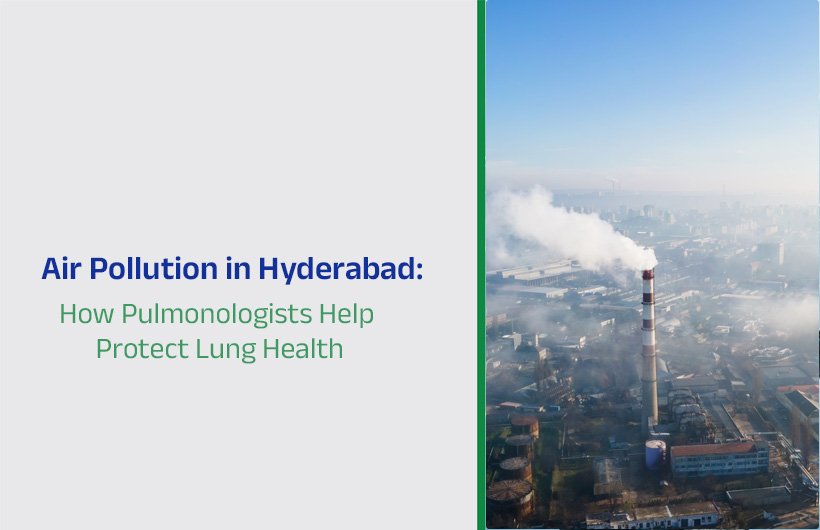

Air pollution has become a growing health challenge across many Indian cities, and Hyderabad is no exception. Increasing vehicle exhaust, industrial emissions, construction dust, and seasonal crop burning in nearby regions have significantly reduced air quality over the years. This polluted air doesn’t just cause visible haze—it directly harms your lungs and can lead to long-term respiratory problems if ignored. Consulting the Best Pulmonologist in Hyderabad becomes essential when breathing issues start affecting your daily life.
This blog explores the harmful effects of air pollution on lung health, outlines common respiratory problems caused by poor air quality, and shares Pulmonologist Advice to Protect Your Lungs from experienced specialists like Dr. Kunal Waghray in Hyderabad. Understanding how polluted air affects respiratory wellness is essential for early prevention and long-term care. While air pollution impacts people of all ages—from students to working professionalism poses greater risks to children, senior citizens, and individuals with pre-existing lung conditions, making expert guidance crucial for safeguarding lung health.
What Are the Effects of Air Pollution on Lungs?
Air pollution is one of the major causes of frequent lung infection, especially in urban and industrial areas. Polluted air contains microscopic particles and toxic gases such as PM2.5, PM10, nitrogen dioxide (NO₂), sulfur dioxide (SO₂), ozone (O₃), and carbon monoxide (CO). These harmful substances are released from vehicle emissions, industrial activities, fossil fuel burning, and natural dust.
When inhaled, these fine particles can travel deep into the lungs, irritating the airways, damaging lung tissue, and weakening the body’s natural defense system. Over time, this increases the risk of repeated respiratory infections, chronic cough, breathing difficulty, asthma flare-ups, and long-term lung diseases. In severe cases, pollutants may even enter the bloodstream, affecting overall health beyond the lungs.
Immediate Effects
In many people, exposure to polluted air leads to:
- Coughing and throat irritation
- Wheezing or shortness of breath
- Chest discomfort
- Excessive mucus production
- Eye irritation and watering
These symptoms may start during high pollution days or in heavy traffic zones. For someone with sensitive airways, even short-term exposure can be uncomfortable.
Long-Term Damage
Long-term exposure to dirty air can cause more serious problems, such as:
- Chronic bronchitis
- Asthma worsens
- Decreased lung function
- Increased risk of lung infections
- Development of chronic obstructive pulmonary disease (COPD)
Children and older adults are especially at risk. Growing lungs in children are more vulnerable to damage, while older adults may already have weaker respiratory defences.
Pollutants and Lung Impact
- Particulate Matter (PM2.5 / PM10): These tiny particles can penetrate deep into the lungs and even reach the bloodstream. They are linked to inflammation, reduced lung function, and long-term respiratory diseases.
- Nitrogen Dioxide (NO₂): Primarily from vehicle exhaust, NO₂ irritates airways and increases the risk of bronchitis and asthma attacks.
- Ozone (O₃): Ground-level ozone can trigger coughing and worsen conditions like asthma, especially during hot, sunny days.
- Carbon Monoxide (CO): Reduces oxygen delivery in the blood, increasing the workload on the heart and lungs.
Understanding how air pollution affects your lungs is crucial for prevention and timely medical care. If you notice persistent coughing, breathlessness, or frequent chest discomfort, consulting a lung specialist can make a real difference.
What Respiratory Problems Are Caused by Air Pollution?
When air pollution levels rise, the number of patients visiting clinics and hospitals with respiratory complaints also goes up. Long-term exposure to polluted air can lead to a range of health issues:
1) Asthma Attacks and Worsening
Air pollution is known to trigger asthma symptoms. People with asthma may find it harder to breathe on days when pollution levels are high. Tiny particles and irritant gases make the airways swollen and sensitive, leading to wheezing, chest tightness, and frequent use of inhalers.
2) Chronic Bronchitis
Repeated exposure to pollutants can lead to chronic bronchitis, a condition characterised by the inflammation of the bronchial tubes and the production of excessive mucus. This leads to persistent coughing and chest congestion. Over time, chronic bronchitis can reduce lung function significantly.
3) COPD (Chronic Obstructive Pulmonary Disease)
COPD is a progressive lung condition that includes emphysema and chronic bronchitis. Prolonged exposure to air pollution increases the risk of developing COPD. Patients with COPD experience severe breathlessness, frequent infections, and decreased quality of life.
4) Respiratory Infections
Polluted air weakens the natural defences of the lungs, making them more susceptible to infections like pneumonia and bronchitis. People with weakened immune systems, seniors, and children are at higher risk.
5) Increased Allergic Reactions
Pollution can worsen allergies by irritating the airways and triggering inflammation. People who already have allergic rhinitis or hay fever may experience more frequent sneezing, itching, and nasal congestion.
6) Reduced Lung Growth in Children
Children growing up in polluted environments may develop lungs that do not reach full potential. This can affect their lung capacity and respiratory health later in life.
These respiratory problems not only reduce the quality of life but can also lead to serious complications if not managed well. That’s where pulmonologists step in to diagnose, treat, and guide patients toward better lung health.
How Do Pulmonologists Help Protect Lung Health in Hyderabad?
Pulmonologists are doctors specialising in diseases of the lungs and respiratory system. In a city like Hyderabad, where air pollution and lung health are growing concerns, their role is extremely valuable. Here’s how experts like Dr. Kunal Waghray help patients protect and improve their lung health:
1) Expert Diagnosis and Monitoring
Pulmonologists use advanced tools like spirometry (lung function tests), chest X-rays, and other diagnostic techniques to assess how well your lungs are functioning. Early detection helps in starting treatment before conditions worsen.
2) Personalised Treatment Plans
All patient’s lungs react differently to air pollution. A pulmonologist evaluates your symptoms, lifestyle, occupation, and environment to create a treatment plan that fits your needs. This may include medications, breathing exercises, inhaler therapy, or long-term preventive strategies.
3) Guidance on Prevention
One of the most important roles of pulmonologists is education. They teach patients how to reduce exposure to air pollution, such as:
- Wearing protective masks on high-pollution days
- Using air purifiers at home
- Avoiding outdoor exercises during peak traffic hours
- Recognising early symptoms of lung irritation
Simple changes like these can significantly reduce the burden on your lungs.
4) Managing Chronic Conditions
Patients with asthma, COPD, or chronic bronchitis need long-term care. Pulmonologists monitor disease progression, update treatment plans, and help manage flare-ups. This reduces hospital visits and improves day-to-day comfort.
5) Support During Seasonal Changes
In Hyderabad, seasonal factors like winter smog or crops burning in nearby states can spike pollution levels. Pulmonologists help patients prepare for these periods, adjusting medications and advising lifestyle changes to stay safe.
6) Rehabilitation and Breathing Exercises
For patients with reduced lung capacity, pulmonologists often suggest pulmonary rehabilitation that focuses on Breathing Exercises for Healthy Lungs along with guided physical activity and patient education. These structured breathing techniques help improve lung efficiency, ease breathing symptoms, enhance oxygen intake, and build overall confidence in daily activities.
Final Thoughts
Air pollution may seem unavoidable, but its impact on your lungs doesn’t have to be. From recurring cough and breathlessness to long-term respiratory conditions, polluted air can silently damage lung health if ignored. In a city like Hyderabad, where air quality often fluctuates, timely care from a Pulmonology & Chest Specialist in Hyderabad plays a crucial role in early detection and prevention.
If you’re experiencing ongoing breathing discomfort, worsening asthma, or unexplained respiratory symptoms, seeking expert guidance is essential. Specialists such as Dr. Kunal Waghray focus on accurate diagnosis, personalized treatment, and practical strategies to protect your lungs from environmental pollutants.
Prioritizing lung health today can help you breathe easier tomorrow. With the right medical support and preventive measures, you can reduce the effects of air pollution and take confident control of your respiratory well-being—because every healthy breath truly counts.