
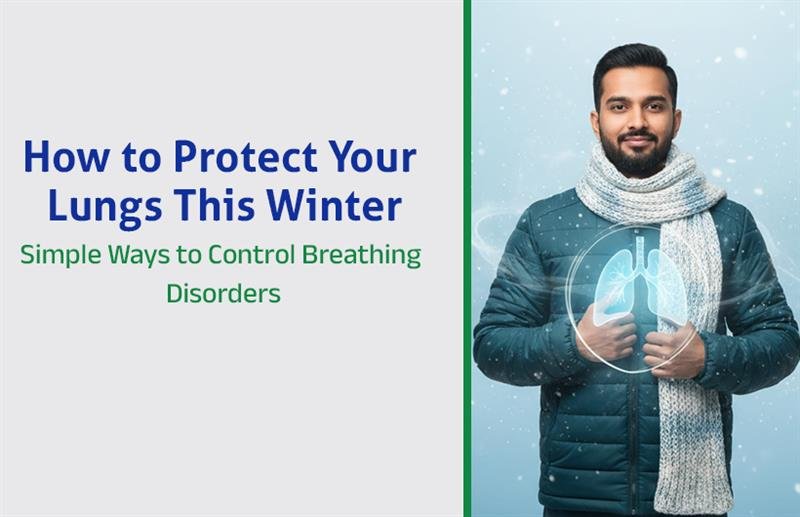


Winter often brings a rise in breathing difficulties, especially for those already dealing with asthma, COPD, bronchitis, allergies, or past respiratory conditions. Cold air becomes dry, pollution increases, and viral infections spread faster—making symptoms like cough, breathlessness, and chest tightness more common. Even healthy individuals may experience respiratory discomfort during colder months.
The good news is that with simple preventive habits, you can protect your lungs and stay healthy throughout winter. In this blog, we share practical winter breathing tips, common triggers, and ways to avoid seasonal flare-ups.
Expert guidance from a trusted Pulmonologist in Hyderabad, such as Dr Kunal Waghray, can also help you understand when symptoms require timely medical attention.
Why Do Breathing Problems Increase in Winter?
Winter can make breathing difficult because of a combination of environmental and physical reasons:
1) Cold and Dry Air
Cold air contains less moisture. When you breathe it in, your airways can become dry and constricted, which may trigger:
- Wheezing
- Coughing
- Shortness of breath
- Chest discomfort
For individuals with asthma or COPD, exposure to dry air can also lead to sudden flare-ups.
2) Higher Pollution Levels
During winter, pollution gets trapped close to the ground. This increases levels of smoke, dust, and harmful particles. Breathing polluted air can worsen:
- Asthma
- Chronic bronchitis
- Sinus issues
- Lung infections
3) Increase in Viral Infections
Flu, cold, and other respiratory infections spread more in winter because people spend more time indoors in close contact.
4) Weaker Immune Response
Cold weather can slow down the immune system, making your body less effective at fighting germs.
Understanding these triggers helps you take the right steps to protect your lungs during cold months.
How Can You Prevent Breathing Problems in Winter?
This is one of the most common questions people ask as winter begins. Here are some simple and practical tips for keeping your lungs healthy during the cold season:
1) Keep Yourself Warm, Especially Your Chest
Cover your nose and mouth with a mask or scarf to warm the air before it enters your lungs, helping prevent airway constriction. Wearing layered clothing is particularly important for older adults, children, and individuals with asthma.
2) Avoid Early Morning and Late-Night Outdoor Activity
These are the coldest times of the day, when pollution is also at its peak. Choose:
- Late morning
- Early evening
- Indoor workouts
This helps reduce exposure to both cold air and dust particles.
3) Use a Humidifier at Home
Using a humidifier adds moisture to the air. This reduces dryness in your airways and helps you breathe comfortably. If you don’t have a humidifier:
- Place a bowl of water in your room
- Dry clothes indoors occasionally
- Use indoor plants
But avoid excess humidity as it may encourage mould growth.
4) Drink Warm Fluids Regularly
Warm water, soups, herbal teas, and turmeric milk help soothe the throat, clear mucus, and keep your respiratory tract hydrated.
5) Maintain Good Indoor Air Quality
Since we spend more time indoors during winter, indoor air quality becomes extremely important. Follow these simple habits:
- Keep windows slightly open during the day for ventilation
- Avoid burning incense or candles excessively
- Do not smoke indoors
- Clean fans, curtains, and air filters regularly
Indoor pollution can be just as harmful as outdoor pollution.
6) Take Steam Inhalation
Steam helps in:
- Opening nasal passages
- Reducing congestion
- Easing breathing
Steam inhalation just twice a day can make a noticeable difference for many people.
7) Follow a Lung-Friendly Diet
Diet and lifestyle play a major role in better breathing during winter.
Include:
- Warm soups
- Ginger
- Garlic
- Turmeric
- Nuts and seeds
- Fresh seasonal fruits
- Green leafy vegetables
Avoid very cold foods, too much sugar, and fried snacks as they increase inflammation and mucus.
8) Strengthen Your Lungs with Simple Exercises
Breathing exercises keep your lungs flexible and prevent breathing disorders. Some helpful exercises are:
- Pursed-lip breathing
- Diaphragmatic breathing
- Deep inhalation and exhalation
- Balloon breathing
These exercises help people of all ages and are highly recommended by specialists like Dr Kunal Waghray.
9) Keep Your Home Clean and Allergen-Free
Dust mites and mould growth increase in closed environments. Clean your home regularly to reduce triggers that may worsen asthma, sinusitis, or chronic bronchitis.
10) Stay Away from Smoke and Strong Odours
Smoke, perfumes, room fresheners, and chemical sprays can irritate your airways. Choose mild, natural products instead.
When Should You See a Doctor for Winter Breathing Issues?
Sometimes, breathing difficulties go beyond seasonal irritation. Knowing the signs to see a Pulmonologist is crucial. You should consult a specialist if you experience:
- Frequent coughing or wheezing
- Shortness of breath while talking or walking
- Chest tightness
- Excess throat mucus
- Headaches caused by poor breathing
- Repeated throat or lung infections
- Breathing difficulty that worsens at night
For those with asthma, COPD, or chronic bronchitis, winter can trigger flare-ups. Seeking expert pulmonologist advice to protect your lungs, specialists like Dr Kunal Waghray ensure early diagnosis, proper treatment, and better management of your respiratory health. Don’t wait for symptoms to resolve on their own—timely care prevents complications.
How to Manage Winter Respiratory Issues for Kids and Seniors?
Children and elderly individuals are more sensitive to cold air. To protect them:
- Always keep them warm
- Give warm fluids frequently
- Keep their rooms clean and dust-free
- Avoid sending kids outdoors early morning
- Maintain a gentle room temperature
- Make sure they wear masks in polluted areas
- Get their vaccinations updated (flu vaccine, if needed)
Taking simple precautions helps them stay safe during harsh winters.
Conclusion
Winter can be challenging for your lungs, but adopting the right habits can help you breathe comfortably and maintain good respiratory health throughout the season. Staying warm, ensuring clean indoor air, drinking warm fluids, practising breathing exercises, and avoiding pollution are some of the most effective winter breathing tips. These measures also reduce the risk of infections and flare-ups.
If you experience a persistent cough, shortness of breath, or repeated lung infections, it’s important not to delay medical care. Consulting an experienced Pulmonology Specialist in Hyderabad, like Dr Kunal Waghray, can help you manage your symptoms effectively and safeguard your lung health.
By following these simple practices and staying mindful of your respiratory wellness, you can enjoy winter with ease. Stay warm, breathe freely, and prioritise your lung health.