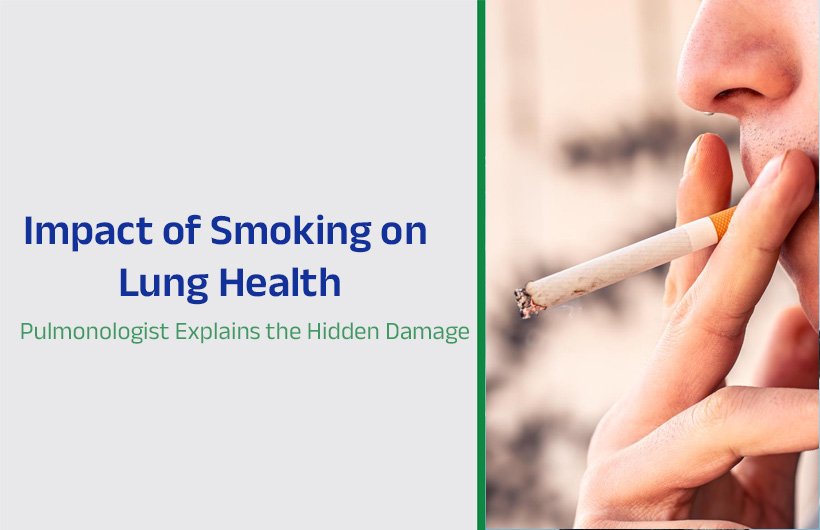

Smoking is often underestimated when it comes to its effect on breathing. While many associate it mainly with heart disease or cancer, the damage smoking causes to the lungs is gradual, silent, and often irreversible. As a Pulmonologist in Hyderabad would explain, the lungs are highly sensitive organs, and continuous exposure to tobacco smoke slowly reduces their capacity to function efficiently. Many smokers remain unaware of this internal damage until symptoms begin to interfere with daily life.
In this blog, a Lungs Specialist Doctor in Hyderabad explains how smoking affects lung function, why breathing becomes difficult over time, the most common smoking-related lung diseases, and practical, expert-recommended tips to protect and improve lung health—presented in clear, easy-to-understand language.
How Does Smoking Damage the Lungs from the Inside?
When you inhale cigarette smoke, thousands of harmful chemicals enter your lungs instantly. These chemicals irritate and inflame the airways. Over time, this inflammation becomes chronic. The tiny air sacs in the lungs, called alveoli, are responsible for oxygen exchange. Smoking damages these air sacs, reducing their ability to absorb oxygen and release carbon dioxide.
Another major issue is the damage to Cilia. Cilia are tiny hair-like structures in the airways that help clear mucus, dust, and germs. Smoking paralyses and eventually destroys these cilia. As a result, mucus builds up in the lungs, making it easier for infections to develop. This explains why smokers often have persistent coughs and frequent chest infections.
According to Lungs Specialist in Hyderabad this internal damage begins much earlier than symptoms appear. Many smokers feel “fine” while their lung capacity is already declining silently.
What Are the Effects of Smoking on Lungs Over Time?
The effects of smoking on the lungs are not sudden; they develop gradually. In the early stages, smokers may notice mild breathlessness while climbing stairs or exercising. Over time, this breathlessness increases even during daily activities like walking or talking.
Smoking causes narrowing of the airways due to inflammation and scarring. This reduces airflow and makes breathing harder. Long-term smoking also leads to loss of lung elasticity, meaning the lungs cannot expand and contract properly. This makes breathing shallow and inefficient.
Another serious effect is reduced oxygen supply to the body. When lungs cannot function properly, vital organs like the heart and brain do not get enough oxygen. This can lead to fatigue, poor concentration, and reduced stamina.
Pulmonologists often see that smokers also heal more slowly from lung infections. Recovery from pneumonia, bronchitis, or even a simple cold can take much longer because smoking weakens lung immunity.
How Smoking Affects Breathing in Daily Life?
Many people ask how smoking affects breathing in real-life situations. The answer becomes clear as the habit continues. Smokers often experience short breath, wheezing, chest tightness, and frequent coughing, especially in the morning.
Physical activities become harder. Simple tasks like climbing stairs, carrying groceries, or walking fast may leave smokers gasping for air. Night-time breathing problems are also common, including disturbed sleep due to coughing or breathlessness.
Smoking also increases sensitivity to pollution, dust, and allergens. This means smokers may feel uncomfortable in environments that non-smokers tolerate easily. Over time, breathing becomes laboured, and dependency on inhalers or medications may develop.
As Dr. Kunal Waghray explains, many patients only realise the seriousness of breathing problems when lung damage has already progressed. Early awareness can make a significant difference.
What Is Common Smoking-Related Lung Diseases?
Smoking-related lung diseases are among the most common conditions seen by pulmonologists. Chronic Obstructive Pulmonary Disease (COPD) is one of the most serious outcomes of long-term smoking. It includes chronic bronchitis and emphysema, both of which permanently damage the lungs and cause ongoing breathing difficulty.
Chronic bronchitis leads to a persistent cough and mucus production for months or years. Emphysema destroys the air sacs, making oxygen exchange extremely difficult. Together, these conditions significantly reduce quality of life.
Smoking also increases the risk of lung infections like pneumonia and tuberculosis. Asthma can worsen in smokers, even if asthma started in childhood. Lung cancer is another severe consequence, often detected at advanced stages because early symptoms are subtle.
Pulmonologists warn that even passive smoking can increase the risk of these diseases, especially in children and elderly family members.
Can Lungs Recover After Quitting Smoking?
Quitting smoking is one of the most powerful steps toward protecting your lung health. While the lungs begin to heal soon after quitting—reducing inflammation, improving breathing, and lowering infection risk, it’s important to recognize that damage from conditions like emphysema or advanced COPD cannot be fully reversed. However, this does not mean improvement is impossible. With timely medical care and advanced COPD treatment, patients can significantly slow disease progression, enhance lung function, and improve overall quality of life. As Dr. Kunal Waghray emphasizes, stopping smoking at any stage remains beneficial and, when combined with the right treatment approach, can lead to better daily comfort, fewer flare-ups, and long-term respiratory stability.
Pulmonologist Tips for Lung Health You Should Follow
Pulmonologist tips for lung health focus on prevention, early action, and healthy lifestyle choices. The most important step is quitting smoking completely. There is no safe level of smoking, and cutting down is not enough.
Regular lung check-ups are advised, especially for long-term smokers. Simple tests like spirometry can detect early lung function decline. Staying physically active helps strengthen breathing muscles and improve lung capacity.
Protecting your lungs starts with smart daily choices. Limiting exposure to second-hand smoke, outdoor air pollution, and indoor irritants helps prevent long-term lung damage. Following Diet and Lifestyle Tips for Healthy Lungs, such as eating a balanced diet rich in antioxidants from fruits, vegetables, and whole grains, supports lung repair and strengthens respiratory function. Adequate hydration is equally important, as it helps thin mucus and allows your airways to stay clear, making breathing easier and more comfortable.
Practising breathing exercises and following medical advice can significantly improve lung function and overall respiratory health.
Final Thoughts
Smoking causes long-term damage to lung health that often begins silently and worsens over time. From reduced lung capacity to serious respiratory conditions, the effects of smoking can make even simple breathing difficult. Understanding how smoking harms the lungs is the first step toward prevention and recovery.
A Pulmonology & Chest Specialist in Hyderabad stresses that early awareness, timely lung evaluations, and quitting smoking can significantly slow or reverse damage. With the right medical guidance and lifestyle changes, you can protect your lungs, breathe more comfortably, and enjoy a healthier, more active future. Taking action today is an investment in better breathing tomorrow.