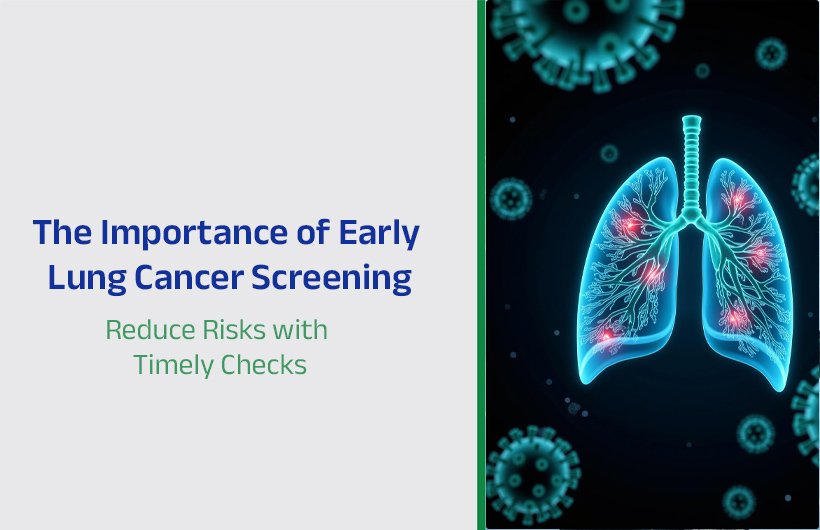

Lung cancer is one of the most serious and commonly diagnosed cancers worldwide, largely because it often develops silently in its early stages. Many patients do not experience noticeable symptoms until the disease has progressed, making timely diagnosis more challenging. This is where early lung cancer screening becomes extremely important. Detecting lung cancer at an early stage greatly improves treatment options and increases the chances of better outcomes.
In this blog, a pulmonologist in Hyderabad explains the importance of early screening, identifies who should consider getting screened, and highlights simple lifestyle changes that can help lower the risk of lung disease. The goal is to help readers understand their lung health better and make informed decisions with the support of experienced specialists like Dr. Kunal Waghray.
Why Is Early Lung Cancer Screening So Important?
Early lung cancer screening helps detect cancer before symptoms begin. In many cases, lung cancer develops silently. A person may feel healthy while the disease slowly progresses inside the lungs. By the time symptoms such as chronic cough, chest pain, or breathlessness appear, the cancer may have spread.
The biggest benefits of early lung cancer screening include:
- Detecting cancer at an early stage
- Increasing survival rates
- Allowing less aggressive treatment options
- Improving quality of life
Screening usually involves low-dose imaging tests that can identify small lung nodules that are not visible on regular X-rays. When detected early, lung cancer is much easier to manage, and treatment outcomes are far more positive.
According to specialists, early detection can reduce lung cancer-related deaths significantly. This is why timely screening should not be ignored, especially for people who fall into high-risk groups.
Who Should Consider Lung Cancer Screening?
Not everyone needs lung cancer screening, but certain individuals are at higher risk and should seriously consider it. Following proper lung cancer screening guidelines help identify who benefits the most.
People who may need early lung cancer screening include:
- Adults aged 50 years and above
- Current or former smokers with a long smoking history
- Individuals exposed to second-hand smoke
- People exposed to pollutants, chemicals, or dust over long periods
- Those with a family history of lung cancer
If you belong to any of these groups, regular screening can make a life-saving difference. Consulting a lung specialist like Dr. Kunal Waghray can help determine whether screening is right for you and how often it should be done.
It is important to remember that screening does not mean you have cancer. It is simply a preventive step to detect problems early, when they are most treatable.
What Are the Benefits of Early Lung Cancer Screening?
Understanding the benefits of early lung cancer screening can help reduce fear and hesitation around testing. Many patients avoid screening because they feel anxious or believe they are healthy. However, early screening offers reassurance and peace of mind.
Key benefits include:
- Early diagnosis before symptoms starts
- Higher chances of successful treatment
- Reduced need for extensive surgery or chemotherapy
- Better long-term survival rates
- Lower overall healthcare costs
When lung cancer is detected at an early stage, treatment is often less complex and associated with fewer side effects. Patients typically experience a quicker recovery and can return to their daily routines with minimal interruption. A Lung Cancer Treatment Specialist in Hyderabad emphasizes the importance of timely screening for individuals at risk, as early diagnosis significantly improves treatment outcomes and overall quality of life.
How Does Early Detection Reduce Risks?
Early detection reduces risks by stopping cancer from spreading. Lung cancer that is limited to a small area of the lung is much easier to treat than cancer that has spread to other organs.
Timely screening allows doctors to:
- Monitor small lung nodules
- Start treatment before complications arise
- Plan personalised treatment strategies
- Improve patient confidence and emotional well-being
Early lung cancer screening empowers patients to take control of their health. It shifts the focus from emergency treatment to preventive care, which is always a better approach.
Lung Cancer Prevention Tips Everyone Should Follow
While screening is important, prevention is equally essential. Simple lung cancer prevention tips can significantly reduce the risk of developing lung cancer.
Some effective prevention tips include:
- Quit smoking and avoid tobacco products
- Stay away from second-hand smoke
- Wear protective gear if exposed to chemicals or dust
- Maintain a healthy diet rich in fruits and vegetables
- Exercise regularly to improve lung function
- Get regular health check-ups
Quitting smoking remains the most powerful step in preventing lung cancer. Even long-term smokers can benefit from quitting, as the lungs start healing over time. Combining healthy habits with regular screening provides the best protection.
When Should You Speak to a Lung Specialist?
If you are at high risk or have concerns about your lung health, do not wait for symptoms to appear. Speaking to a specialist early can make a significant difference. A consultation with Pulmonologist can help assess your risk factors, explain screening options, and guide you through the process with clarity and care.
Early screening is not about fear; it is about awareness and prevention. The sooner lung cancer is detected, the better the chances of successful treatment and long-term health.
Final Thoughts
Early lung cancer screening plays a vital role in protecting long-term respiratory health. Detecting lung cancer at an early stage significantly improves treatment outcomes, lowers complications, and increases survival rates. Along with regular screening, following a balanced Diet and Lifestyle for Healthy Lungs—including nutritious food choices, physical activity, and avoiding harmful habits—can further strengthen lung function and overall well-being.
Ignoring silent warning signs can delay diagnosis and limit treatment options. Consulting a best Lung and Chest Specialist for timely screenings, expert advice, and preventive care empowers individuals to take control of their lung health. Proactive monitoring today can make a life-saving difference tomorrow.