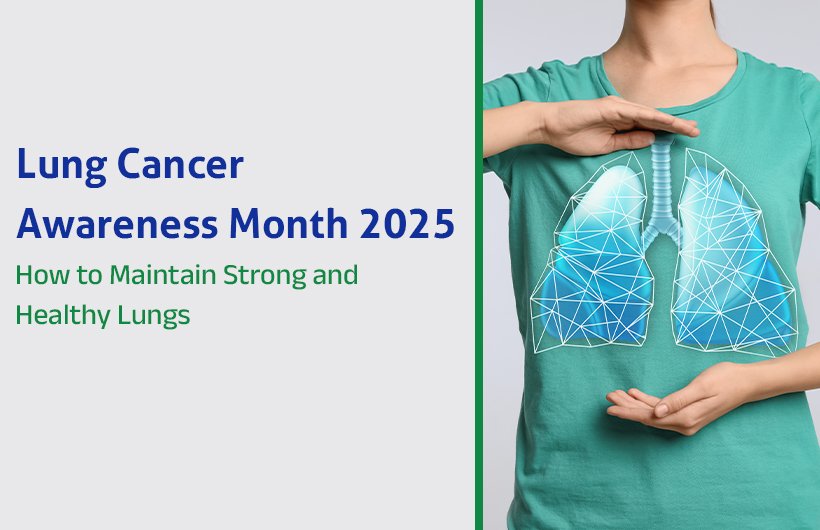
Every year, November is recognised as Lung Cancer Awareness Month, dedicated to promoting lung health, early detection, and prevention. Our lungs play a crucial role in supplying oxygen and removing carbon dioxide, yet they often go unnoticed until health issues occur. Lung cancer continues to be one of the leading causes of cancer-related deaths worldwide, but awareness, preventive care, and timely diagnosis can make a significant difference.
According to Dr Kunal Waghray, a leading Pulmonologist in Hyderabad, safeguarding your lungs begins with understanding the risk factors, undergoing regular screenings, and maintaining healthy lifestyle habits that promote long-term respiratory wellness.
Why Is Lung Cancer Awareness Month Important?
Lung Cancer Awareness Month aims to educate people about the importance of lung health and encourage early diagnosis of lung cancer. The disease often develops silently, showing few symptoms in its early stages. This makes awareness and routine check-ups even more critical.
Many people associate lung cancer only with smoking, but that’s a misconception. While smoking remains the leading cause, non-smokers can also develop lung cancer due to other factors like air pollution, occupational exposure, genetic predisposition, or secondhand smoke.
Here’s why awareness is essential:
- Early detection saves lives. When lung cancer is diagnosed early, treatment outcomes are much better.
- Encourages preventive action. Awareness motivates people to quit smoking, wear protective gear at workplaces, and undergo regular screenings.
- Promotes better lung health for all. The campaign highlights the importance of cleaner air, healthy living, and respiratory care.
During this month, hospitals and healthcare professionals like Dr Kunal Waghray play a vital role in spreading knowledge, conducting lung function tests, and offering guidance to help people reduce their risk of lung diseases.
What Are the Early Signs of Lung Cancer to Watch For?
Lung cancer often progresses quietly, and by the time symptoms become evident, it may have already advanced. Recognising early warning signs and acting promptly can make a major difference.
Some early symptoms include:
- Persistent cough that doesn’t go away or worsens over time
- Chest pain that increases with deep breathing or coughing
- Shortness of breath or wheezing
- Coughing up blood or rust-colored sputum
- Fatigue, loss of appetite, or unexplained weight loss
- Recurrent respiratory infections like bronchitis or pneumonia
If you or someone you know experiences these symptoms for more than a few weeks, consult a lung specialist immediately. Early evaluation through imaging tests like chest X-rays or CT scans can detect problems before they become severe.
Early detection of lung cancer can significantly increase survival rates. Screening methods such as low-dose CT scans are recommended for people at higher risk, especially those aged 50 or older with a history of smoking. Even if you’ve quit smoking, you should discuss screening options with your doctor to ensure you stay protected.
How Can You Keep Your Lungs Healthy?
Keeping your lungs healthy goes beyond just quitting smoking; it requires a complete lifestyle approach. According to an expert pulmonologist advice to protect your lungs, simple habits like staying active, eating antioxidant-rich foods, and avoiding exposure to pollutants can make a big difference. As pollution and respiratory infections increase, following these Lung Cancer Awareness Month tips can help you maintain strong, healthy lungs for years to come.
1) Avoid Smoking and Secondhand Smoke
Smoking is the top cause of lung cancer, but exposure to secondhand smoke can also be dangerous. If you smoke, talk to your doctor about ways to quit. Nicotine replacement therapy, counselling, and support groups can make the journey easier. Avoid being around smokers to minimise exposure.
2) Maintain Clean Air at Home and Work
Indoor pollutants such as dust, fumes, and mold can harm your lungs over time.
- Use air purifiers if you live in a polluted area.
- Ensure good ventilation in your home and workplace.
- Avoid burning incense, candles, or using harsh chemical cleaners regularly.
3) Protect Yourself from Pollution
Wear a mask in highly polluted environments or when working with chemicals and dust. Try to limit outdoor activities when air quality levels are poor.
4) Exercise Regularly
Physical activity helps strengthen the lungs and improve oxygen capacity. Simple exercises like brisk walking, cycling, or swimming can make your lungs more efficient. Even breathing exercises, such as diaphragmatic breathing or pursed-lip breathing, help keep your lungs active and clear.
5) Eat a Lung-Healthy Diet
A balanced diet plays a big role in lung health.
- Include antioxidant-rich foods like berries, citrus fruits, and leafy greens.
- Eat foods high in omega-3 fatty acids (like fish and walnuts) to reduce inflammation.
- Stay hydrated to keep the mucous membranes in your lungs moist and functional.
6) Get Regular Health Checkups
Routine health screenings and lung function tests can help detect issues early. Discuss your risk factors with your doctor, especially if you have a history of smoking, family history of cancer, or exposure to harmful pollutants.
7) Practice Good Respiratory Hygiene
With the rise of infections like COVID-19 and the flu, it’s important to maintain good respiratory hygiene. Wash your hands frequently, wear a mask if you have symptoms, and avoid crowded places when unwell.
What Are the Best Lung Cancer Prevention Tips?
Maintaining healthy lungs and preventing lung cancer requires mindful lifestyle choices and a balanced diet. By following key diet and lifestyle tips for healthy lungs, you can significantly reduce the risk of respiratory diseases. Experts recommend quitting smoking, avoiding exposure to pollutants, eating antioxidant-rich foods, staying physically active, and going for regular health checkups to support long-term lung health and prevent lung cancer.
- Quit smoking completely. Even one cigarette a day increases risk.
- Test your home for radon gas. It’s an invisible, odourless gas that can increase lung cancer risk.
- Avoid workplace carcinogens. Use protective equipment if you work in industries with chemical exposure.
- Boost your immunity. Eat nutritious food, exercise, and get enough rest to keep your lungs strong.
- Get vaccinated. Vaccines against flu and pneumonia can prevent infections that might weaken your lungs.
Dr. Kunal Waghray emphasises that prevention is always better than a cure. By adopting simple yet effective habits, you can reduce your risk of lung cancer and enjoy better respiratory health for years to come.
Conclusion
This Lung Cancer Awareness Month makes your lung health a top priority. Whether you smoke or not, protecting your lungs through early detection, regular check-ups, and healthy lifestyle choices can make a life-changing difference. Your lungs support you every moment — it’s time to return the care they deserve. Breathe cleaner air, eat well, stay active, and seek timely medical advice. With expert care from a Pulmonology & Chest Specialist like Dr Kunal Waghray, you can take confident steps toward healthier lungs and a better quality of life.