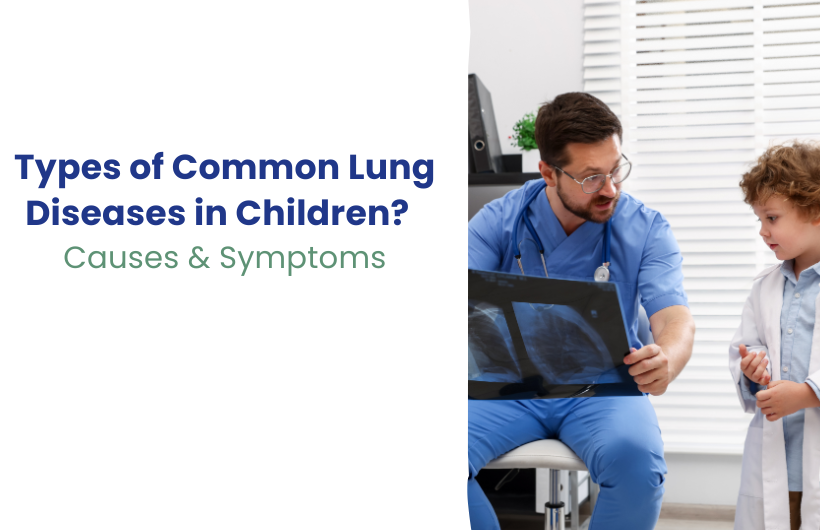

Children are naturally energetic, playful, and always on the move. However, when lung problems affect them, even simple activities like running, laughing, or climbing stairs can become challenging. Breathing difficulties in children can be frightening for both the child and their parents. That’s why understanding common lung diseases in children is essential for early detection and proper treatment. Seeking guidance from the Best Pulmonologist in Hyderabad can make a significant difference in managing respiratory conditions effectively and preventing complications.
Common pediatric lung diseases can range from mild infections to chronic respiratory conditions. These illnesses may be caused by infections, allergies, environmental pollutants, or genetic factors. Symptoms such as persistent coughing, wheezing, shortness of breath, chest tightness, or frequent respiratory infections should never be ignored. Early recognition of these signs allows parents to seek timely medical care and ensure their child receives the right diagnosis and treatment.
In this blog, we will discuss the most common lung diseases in children, their causes, symptoms, and when parents should consider consulting a specialist like Dr. Kunal Waghray. Our goal is to provide clear, simple, and practical information to help parents protect respiratory health and make informed decisions about their care.
What Are the Most Common Lung Diseases in Children?
Lung diseases in children can range from mild infections to chronic conditions. Some are temporary and easily treated, while others require long-term care and monitoring. Here are the most typical children’s respiratory diseases you should know about:
1) Asthma
Asthma is one of the most common chronic lung diseases in children. It affects the airways, the tubes that carry air in and out of the lungs. In asthma, these airways can become inflamed and narrow, making breathing difficult.
Symptoms of Asthma:
- Wheezing (a high-pitched whistling sound when breathing)
- Frequent coughing, especially at night or during play
- Shortness of breath
- Chest tightness
Causes:
Asthma may be triggered by allergies (dust mites, pollen, pet diagnosis), respiratory infections, cold air, exercise, smoke, or pollution. Some children may also have a family history of asthma, which increases their risk.
2) Bronchiolitis
Bronchiolitis is a viral infection that commonly affects infants and young children, especially during cold and flu seasons. It inflames the small airways in the lungs, making it hard for air to move in and out.
Symptoms of Bronchiolitis:
- Runny nose and congestion
- Rapid breathing or difficulty breathing
- Wheezing or crackling sounds in the chest
- Coughing and mild fever
- Poor feeding or irritability in infants
Causes:
The main cause is the respiratory syncytial virus (RSV), though other viruses can also lead to bronchiolitis. Most cases are mild, but more severe symptoms can occur in babies younger than 12 months.
3) Pneumonia
Pneumonia is an infection that affects the lungs, particularly the air sacs called alveoli. It can be caused by bacteria, viruses, or, less commonly, fungi. Pneumonia fills the air sacs with fluid or pus, which makes it harder for oxygen to reach the bloodstream.
Symptoms of Pneumonia:
- High fever
- Persistent cough
- Fast or difficult breathing
- Chest pain
- Fatigue and loss of appetite
- Bluish lips or nails in severe cases
Causes:
Pneumonia may be triggered by several organisms. Viral pneumonia is more common in younger children, while bacterial pneumonia can be more severe. Poor immunity, exposure to sick children, and air pollution can increase the risk.
4) Bronchitis
Bronchitis is inflammation of the bronchial tubes, the main air passages into the lungs. It can be acute (short-term) or chronic (long-lasting, though rare in children).
Symptoms of Bronchitis:
- Persistent cough that produces mucus
- Wheezing
- Mild fever
- Chest discomfort
Causes:
Most cases in children are due to viral infections following a cold or flu. Exposure to smoke, dust, and pollution can make symptoms worse.
5) Cystic Fibrosis (CF)
Cystic fibrosis is a genetic condition that affects the lungs and digestive system. Children with CF produce thick, sticky mucus that clogs airways and traps bacteria, leading to frequent lung infections.
Symptoms of Cystic Fibrosis:
- Chronic coughing with mucus
- Frequent lung infections
- Poor growth or weight gain
- Salty-tasting skin
- Frequent greasy, bulky stools
Causes:
CF is caused by a defective gene that affects how the body moves salt and water in and out of cells. This condition is inherited, meaning both parents must pass on the faulty gene.
6) Allergic Rhinitis and Sinusitis
While not always affecting the lungs directly, allergic rhinitis (hay fever) and sinusitis can lead to breathing issues, coughing, and wheezing. These are common in children, especially those with allergic tendencies.
Symptoms:
- Runny or blocked nose
- Itchy or watery eyes
- Sneezing
- Post-nasal drip causing cough
Causes:
Allergies to pollen, dust, mold, and pet dander are the usual triggers. Sinus infections may develop because of prolonged blockage and inflammation.
What Are the Main Causes of Lung Diseases in Children?
Understanding what causes lung diseases helps parents protect their children better. Here are the key factors:
- Infections
Viruses and bacteria are the most frequent culprits behind pediatric lung diseases such as pneumonia, bronchiolitis, and bronchitis. These infections spread easily among children, especially in crowded places like schools and daycare centers.
- Allergies
Children with allergic tendencies are more likely to develop asthma and allergic rhinitis. Common allergens include dust mites, pollen, mold, and animal fur.
- Environmental Pollution
Exposure to smoke (including tobacco smoke), vehicle exhaust, industrial pollution, and indoor pollutants (like cooking smoke) irritate the lungs and can trigger asthma or worsen existing lung conditions.
- Genetic Factors
Some conditions, like cystic fibrosis, are inherited. In such cases, the child’s genetic makeup plays a crucial role, and family history is a strong indicator.
- Weak Immunity
Children with a weaker immune system, either due to malnutrition, illness, or certain medical treatments, are more susceptible to lung infections.
What Symptoms Should Parents Watch For?
Lung diseases can have varied symptoms, but the most common warning signs include:
- Persistent cough that lasts more than a week
- Wheezing or whistling sound when breathing
- Shortness of breath or rapid breathing
- Chest tightness or pain
- Bluish colour around lips or nails (a sign of low oxygen)
- Extreme fatigue or loss of appetite
- Fever, chills, or unusual behavior
If a child shows any of these symptoms, especially difficulty breathing or blue lips, parents should seek medical advice immediately. Early diagnosis and treatment can prevent complications and help children recover faster.
How Are Lung Diseases in Children Diagnosed?
When parents consult a specialist like Dr. Kunal Waghray or another paediatric lung specialist, the doctor will start with a detailed medical history and physical examination. Based on the symptoms, the doctor may recommend:
- Chest X-rays
- Lung function tests (such as spirometry)
- Blood tests
- Allergy testing
- Sputum or nasal swab tests for infections
These tests help the doctor pinpoint the exact problem and tailor the treatment plan accordingly.
What Are the Treatments for Common Lung Diseases in Children?
Treatments vary depending on the specific disease:
Infections (Pneumonia, Bronchiolitis, Bronchitis)
- Antibiotics for bacterial infections
- Supportive care like rest, hydration, and fever control
- In severe cases, oxygen therapy or hospitalisation
Asthma
- Inhalers with bronchodilators and steroids to reduce inflammation
- Avoiding known triggers like dust or smoke
- Regular follow-ups to adjust treatment
Cystic Fibrosis
- Chest physiotherapy to clear mucus
- Medications to thin mucus and fight infections
- Nutritional support
Allergies
- Antihistamines and nasal sprays
- Environmental control to reduce allergen exposure
Final Thoughts
Children’s lungs are delicate and constantly developing, which makes them vulnerable to infections and environmental triggers. Recognising children’s lung disease causes & symptoms at an early stage is key to effective treatment and quick recovery.
If your child has persistent coughing, wheezing, or difficulty breathing, don’t wait, speak with a pediatric respiratory expert like Dr. Kunal Waghray. Timely care can help your child breathe easier, stay active, and enjoy a healthy childhood.
Understanding these common lung conditions empowers you as a parent to act and ensure your child gets the best possible care. Remember, early detection and proper treatment can make all the difference in your child’s health and well-being.