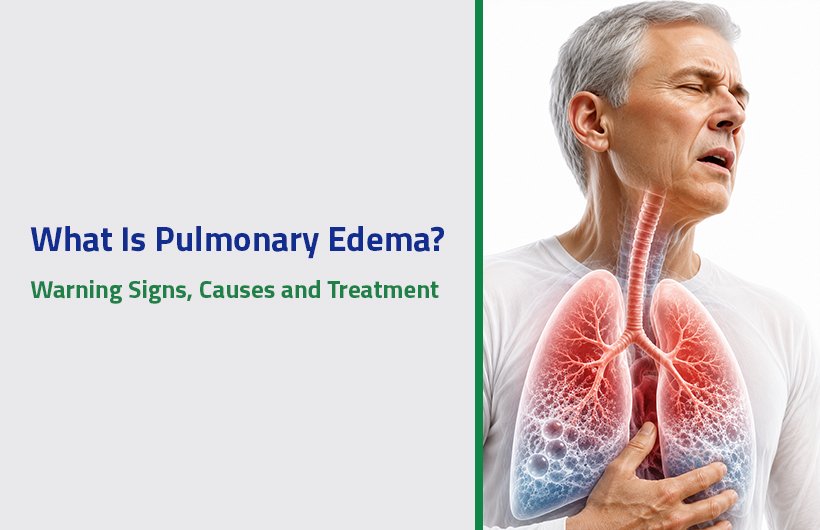
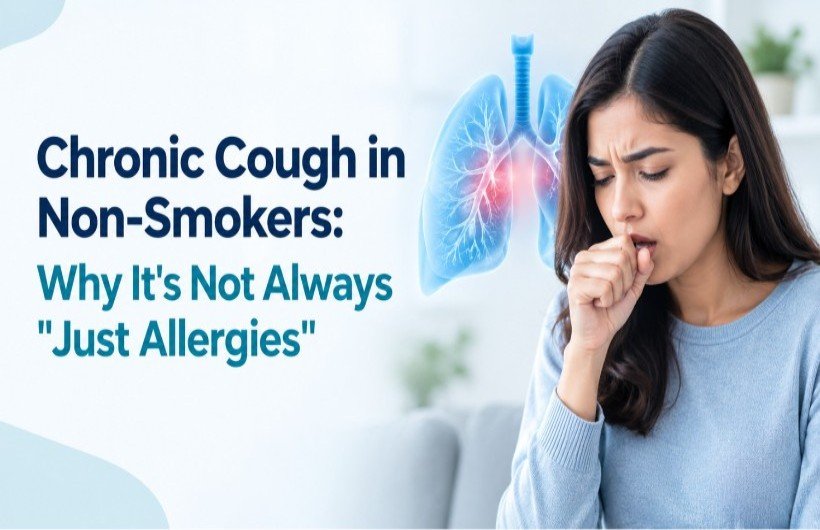
Pulmonary edema is a serious lung condition caused by the buildup of excess fluid in the lungs, making it difficult to breathe and reducing oxygen supply to the body. If left untreated, it can quickly become life-threatening. Seeking timely care from the best pulmonologist in Hyderabad is crucial for accurate diagnosis and effective treatment. Pulmonary edema may develop suddenly or gradually, depending on the underlying cause, and recognizing the early warning signs can help prevent severe complications. Understanding its symptoms, causes, and available treatment options is essential for protecting your lung health and ensuring prompt medical attention.
What Is Pulmonary Edema?
Pulmonary edema happens when fluid leaks into the tiny air sacs in the lungs, known as alveoli. These air sacs are responsible for exchanging oxygen and carbon dioxide. When fluid fills these spaces, breathing becomes difficult, and the body may not receive enough oxygen.
In many cases, pulmonary edema is linked to heart problems, but it can also result from infections, lung injuries, kidney disease, or high-altitude exposure.
Pulmonary Edema Causes and Symptoms
Recognizing pulmonary edema causes and symptoms early can help prevent serious complications.
Common Causes of Pulmonary Edema
Several medical conditions and health issues can lead to pulmonary edema, including:
1) Congestive Heart Failure
One of the most common pulmonary edema causes is heart failure. When the heart cannot pump blood effectively, pressure increases in the blood vessels of the lungs, causing fluid leakage.
2) Heart Attack
A heart attack can weaken the heart muscles and reduce the heart’s ability to circulate blood properly, leading to fluid buildup in the lungs.
3) High Blood Pressure
Severely high blood pressure can strain the heart and increase the risk of pulmonary edema.
4) Kidney Disease
Kidneys help remove excess fluid from the body. When they fail to function properly, fluid retention may occur, increasing the risk of pulmonary edema.
5) Lung Infections
Conditions such as pneumonia can inflame the lungs and trigger fluid accumulation.
6) Acute Respiratory Distress Syndrome (ARDS)
Severe infections, trauma, or inhalation injuries can damage the lungs and lead to pulmonary edema.
7) High Altitude
Some people develop pulmonary edema when traveling to high altitudes due to lower oxygen levels.
Warning Signs and Symptoms of Pulmonary Edema
The symptoms of pulmonary edema may appear suddenly or develop gradually over time.
Sudden Symptoms
Acute pulmonary edema is a medical emergency and may include:
- Severe shortness of breath
- Difficulty breathing while lying down
- Wheezing or gasping for air
- Coughing up pink or frothy sputum
- Rapid heartbeat
- Excessive sweating
- Anxiety or restlessness
- Bluish lips or skin due to lack of oxygen
Gradual Symptoms
Chronic pulmonary edema symptoms may include:
- Fatigue and weakness
- Swelling in the legs and feet
- Weight gain from fluid retention
- Shortness of breath during physical activity
- Frequent nighttime breathing difficulty
If these symptoms appear, immediate medical attention is necessary.
How Is Pulmonary Edema Diagnosed?
Doctors use several tests to diagnose pulmonary edema and determine its cause, including:
- Chest X-rays
- Blood tests
- Electrocardiogram (ECG)
- Echocardiogram
- Pulse oximetry
- CT scans
- Arterial blood gas analysis
Proper diagnosis helps doctors choose the most effective pulmonary edema treatment.
Pulmonary Edema Treatment
Pulmonary edema treatment focuses on improving oxygen levels and addressing the underlying cause.
1) Oxygen Therapy
Patients often receive supplemental oxygen to help improve breathing and oxygen supply.
2) Diuretics
Diuretics, commonly called water pills, help remove excess fluid from the body and lungs.
3) Heart Medications
If heart disease is causing pulmonary edema, doctors may prescribe medications to improve heart function and reduce blood pressure.
4) Ventilator Support
Severe cases may require mechanical ventilation to assist breathing.
5) Treating Underlying Conditions
Managing infections, kidney disease, or high blood pressure is essential for long-term recovery.
6) Lifestyle Changes
Healthy lifestyle habits can reduce the risk of pulmonary edema, including:
- Maintaining a healthy weight
- Limiting salt intake
- Exercising regularly
- Avoiding smoking
- Managing blood pressure and diabetes
- Following prescribed medications
Can Pulmonary Edema Be Prevented?
Although not all cases are preventable, maintaining good heart and lung health can significantly lower the risk. Regular medical checkups, proper treatment of chronic diseases, and healthy lifestyle choices are important preventive measures.
People with heart disease or kidney conditions should closely follow their doctor’s recommendations to avoid complications related to pulmonary edema.
When to Seek Emergency Care
Pulmonary edema can be life-threatening. Seek emergency help for severe breathing difficulty, chest pain, or pink frothy mucus. Consult a pulmonologist near you immediately.
- Severe breathing difficulty
- Chest pain
- Blue or gray skin color
- Rapid worsening of symptoms
- Coughing up blood or frothy mucus
Early treatment can save lives and reduce long-term complications.
Conclusion
Pulmonary edema is a serious medical condition that requires immediate attention and expert care. Understanding pulmonary edema causes, recognizing the early warning signs, and seeking timely treatment can significantly improve recovery and long-term health outcomes. With the right pulmonary edema treatment, lifestyle modifications, and regular medical follow-ups, many patients can effectively manage the condition and reduce the risk of future complications.
If you or your loved one experiences symptoms of pulmonary edema, it is important to consult an experienced Pulmonology & Chest Specialist in Hyderabad without delay. Dr Kunal Waghary at Respire Airway Clinics provides comprehensive diagnosis, advanced treatment, and personalized respiratory care to help patients breathe better and live healthier lives.