
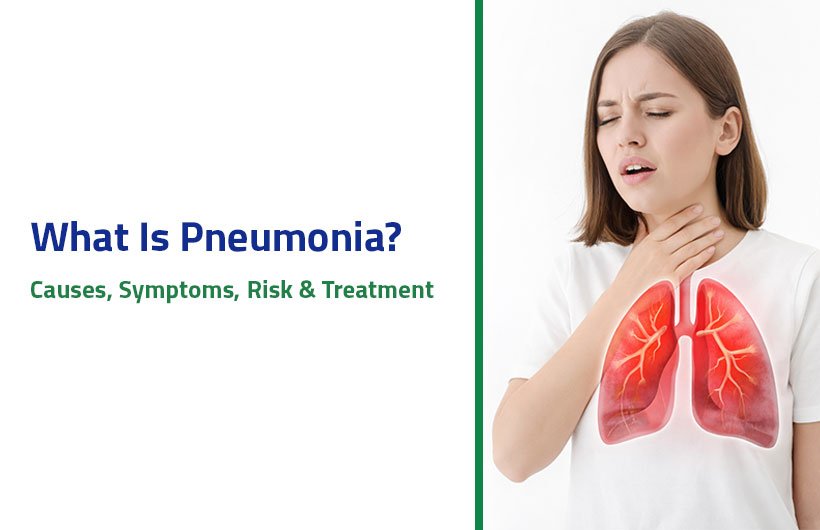
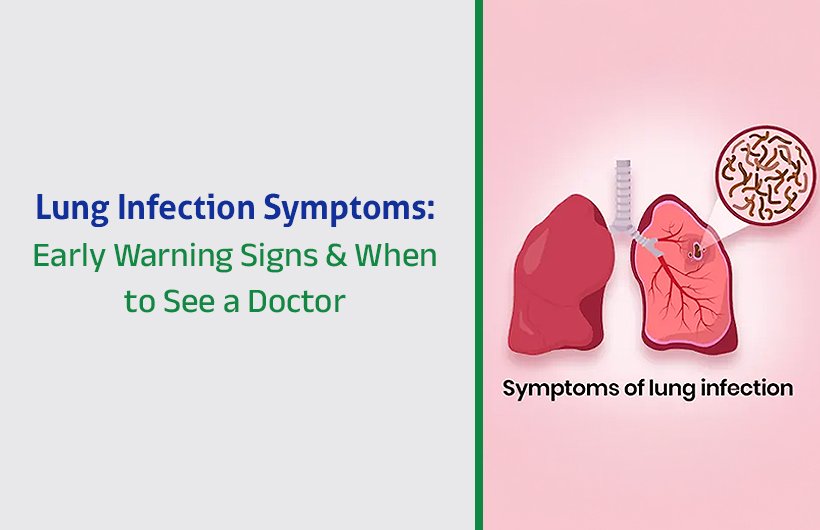
Pneumonia is a clinically significant lung infection and remains a leading cause of illness and mortality worldwide. As a Pulmonologist in Hyderabad, I frequently evaluate patients who present with respiratory symptoms that, upon careful assessment, are diagnosed as pneumonia requiring prompt and targeted treatment.
In this article, I will provide a comprehensive overview of the types of pneumonia, pneumonia causes and symptoms, risk factors, and treatment approaches, helping you understand the condition better and recognize when to seek expert pulmonary care.
What Is Pneumonia?
Pneumonia is an acute infection of the lung parenchyma that leads to inflammation of the alveoli. These air sacs may fill with inflammatory exudate (fluid or pus), impairing normal gas exchange and leading to symptoms such as breathlessness and hypoxia.
Depending on severity, pneumonia can range from a mild illness to a life-threatening condition, particularly in high-risk individuals.
Types of Pneumonia
From a clinical perspective, pneumonia is classified based on etiology and setting of acquisition:
- Etiological Classification
- Bacterial Pneumonia
Most commonly caused by Streptococcus pneumoniae, often presenting with acute onset fever and productive cough. - Viral Pneumonia
Associated with viruses such as influenza, RSV, and SARS-CoV-2, often presenting with dry cough and systemic symptoms. - Fungal Pneumonia
Typically seen in immunocompromised patients (e.g., uncontrolled diabetes, cancer, transplant recipients).
- Clinical Setting
- Community-Acquired Pneumonia (CAP)
Occurs outside hospital settings and is the most common form encountered in outpatient practice. - Hospital-Acquired Pneumonia (HAP)
Develops ≥48 hours after hospital admission and is often caused by resistant organisms. - Ventilator-Associated Pneumonia (VAP)
Occurs in patients receiving mechanical ventilation in ICU settings.
Causes of Pneumonia:
Pneumonia develops when pathogens bypass the body’s respiratory defense mechanisms. Common causes include:
- Bacterial pathogens
- Respiratory viruses
- Fungal organisms
- Aspiration of gastric contents or foreign material
Host immunity plays a critical role in determining susceptibility and disease severity.
Clinical Symptoms of Pneumonia
The presentation varies depending on age, immune status, and causative organism.
Common Symptoms:
- Productive or dry cough
- Fever with chills
- Shortness of breath (dyspnea)
- Pleuritic chest pain
- Fatigue and malaise
Severe or Red-Flag Symptoms:
- Tachypnea (rapid breathing)
- Hypoxia (low oxygen levels)
- Altered mental status (especially in elderly patients)
- Cyanosis (bluish discoloration of lips/nails)
Early recognition of pneumonia causes and symptoms is critical to prevent complications such as respiratory failure or sepsis.
Pneumonia Risk Factors
Certain populations are at significantly higher risk of developing pneumonia or experiencing severe outcomes.
Patient-Related Risk Factors:
- Age <5 years or >65 years
- Chronic lung diseases (COPD, asthma)
- Diabetes mellitus
- Cardiovascular diseases
- Chronic kidney or liver disease
- Immunocompromised states (HIV, malignancy, steroid use)
Lifestyle and Environmental Factors:
- Smoking (major contributor to impaired lung defense)
- Alcohol abuse
- Air pollution exposure
- Malnutrition
Identifying pneumonia risk factors allows for preventive strategies and early clinical intervention.
Diagnosis of Pneumonia
Accurate diagnosis requires a combination of clinical evaluation and investigations:
- Clinical examination – crackles, bronchial breath sounds
- Chest X-ray – confirms lung consolidation
- Blood tests – infection markers (CBC, CRP, procalcitonin)
- Sputum examination – identifies causative organism
- Pulse oximetry / ABG – assesses oxygenation
In selected cases, CT chest or bronchoscopy may be required.
Pneumonia Treatment
Management depends on severity, etiology, and patient profile.
- Pharmacological Treatment
- Antibiotics – cornerstone for bacterial pneumonia
- Antivirals – in selected viral infections (e.g., influenza)
- Antifungals – for fungal causes
- Supportive Management
- Oxygen therapy for hypoxia
- Adequate hydration
- Antipyretics for fever
- Bronchodilators in patients with airway disease
- Indications for Hospitalization
- Severe pneumonia (based on CURB-65 criteria)
- Oxygen saturation < 92%
- Hemodynamic instability
- Significant comorbidities
Timely and appropriate pneumonia treatment significantly reduces complications and mortality.
Prevention Strategies
Preventive care is a key component of respiratory health:
- Vaccination (Pneumococcal and Influenza vaccines)
- Smoking cessation
- Hand hygiene and infection control
- Optimal management of chronic diseases
When to Consult a Specialist
It is important to seek timely care from lung specialists near you if you experience any of the following symptoms:
- Persistent cough lasting more than a few days
- Breathlessness or worsening respiratory symptoms
- High-grade fever not responding to medication
- Recurrent lung infections
Early consultation with experienced lung specialists ensures accurate diagnosis and appropriate, evidence-based treatment, helping prevent complications and promoting faster recovery.
Conclusion
Pneumonia continues to be a serious lung infection, but with early diagnosis, proper risk assessment, and timely treatment, patient outcomes can be greatly improved. Understanding the types of pneumonia, pneumonia causes and symptoms, associated risk factors, and available treatment options is crucial for effective prevention and prompt care.
As a trusted expert in Pulmonology & Lung Specialist in Hyderabad, the goal is to provide accurate diagnosis, personalized treatment plans, and preventive care strategies to help patients achieve and maintain optimal respiratory health.