
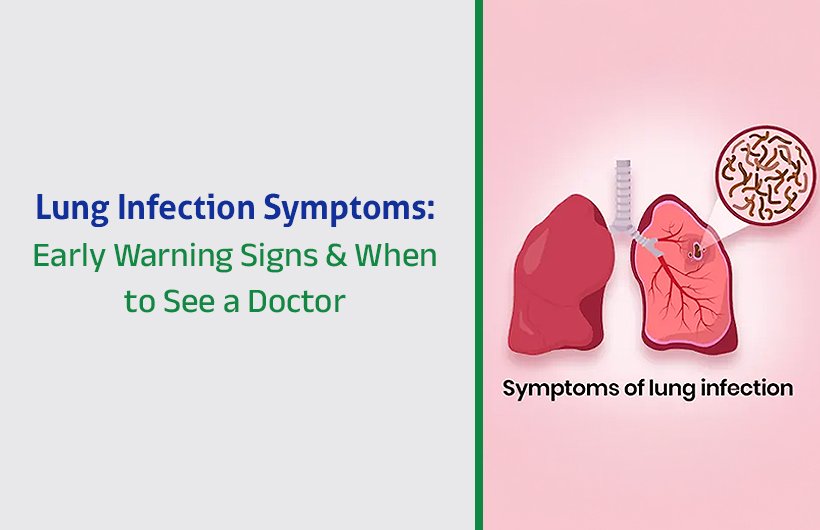



Lung infections are one of the most common respiratory conditions, affecting individuals across all age groups. What often begins as a mild illness can quickly progress into a serious health concern if not addressed promptly. Many people tend to confuse the early symptoms of a lung infection with a common cold or flu, which can delay accurate diagnosis and timely treatment.
Recognising these early warning signs and consulting a trusted pulmonologist in Hyderabad at the right time can make a significant difference in preventing complications and ensuring faster recovery.
In this comprehensive guide, we’ll explore the key symptoms, causes, early indicators, treatment options, and the right time to seek expert medical care for lung infections.
What Is a Lung Infection?
A lung infection occurs when harmful microorganisms like bacteria, viruses, or fungi enter the lungs, causing inflammation and breathing difficulties. These infections can affect different parts of the respiratory system, including the airways (bronchi) and air sacs (alveoli), making it harder for the body to absorb oxygen.
Understanding lung infections early is essential, especially for individuals who frequently experience respiratory issues.
Early Lung Infection Symptoms You Should Not Ignore
Early symptoms are often mild but should not be overlooked.
Common Early Signs of Lung Infection
- Persistent cough (with or without mucus)
- Mild fever and chills
- Fatigue and weakness
- Runny nose or sore throat
- Mild shortness of breath
These symptoms may resemble a cold but usually last longer and gradually worsen.
Major Signs of Lung Infection or Chest Infection
As the infection progresses, symptoms become more severe.
Key Chest Infection Symptoms
- Cough with thick mucus (green, yellow, or blood-stained)
- Chest pain or tightness
- High fever (above 38°C)
- Shortness of breath (even at rest)
- Wheezing or noisy breathing
- Rapid heartbeat
- Sweating and chills
Additional Symptoms
- Headache
- Muscle aches
- Loss of appetite
- Confusion (especially in elderly individuals)
These symptoms require immediate medical attention.
Common Types of Lung Infections
1) Bronchitis
An infection of the bronchial tubes that leads to:
- Persistent cough
- Mucus production
- Chest discomfort
2) Pneumonia
A serious lung infection where air sacs fill with fluid or pus, causing:
- High fever
- Chest pain
- Difficulty breathing
3) Bronchiolitis
Common in infants and young children, this condition affects small airways and leads to:
- Wheezing
- Rapid breathing
- Feeding difficulties
4) Fungal Lung Infections
Less common but more severe, especially in individuals with weak immunity.
Causes of Frequent Lung Infections
Recurring lung infections often don’t happen randomly—they’re usually linked to underlying health or lifestyle factors. Understanding these causes can help you take the right steps toward prevention.
Some of the most common causes of frequent lung infection include:
- Weakened immune system
When your body’s natural defense system is compromised, it becomes harder to fight off bacteria and viruses, making you more prone to repeated infections. - Chronic respiratory conditions
Diseases like asthma or COPD can damage the airways and reduce lung efficiency, creating an environment where infections can occur more easily and more often. - Smoking and air pollution exposure
Tobacco smoke and polluted air irritate and weaken lung tissue, increasing susceptibility to infections over time. - Poor nutrition
A lack of essential nutrients can reduce your body’s ability to maintain strong immunity, leaving you vulnerable to recurring illnesses. - Frequent contact with infected individuals
Being around people who are sick—especially in crowded or poorly ventilated spaces—raises the chances of inhaling infectious droplets. - Incomplete recovery from previous infections
If a lung infection isn’t fully treated or allowed to heal properly, it can return or lead to further complications.
Lung infections typically spread through airborne droplets from coughing or sneezing, direct physical contact, or when the immune system is already weakened. Recognizing these causes early plays a crucial role in preventing repeated infections and maintaining better respiratory health.
When Should You See a doctor?
Consult a Doctor If You Have:
- Fever lasting more than 3 days
- Persistent cough for over 2–3 weeks
- Thick or blood-stained mucus
- Increasing breathlessness
- Chest pain while breathing
Seek Emergency Care If:
- Severe breathing difficulty
- Inability to speak due to breathlessness
- Severe chest pressure
- Bluish lips or nails
These are critical warning signs—don’t ignore them. Consult a lungs specialist near you promptly.
Who Is at Higher Risk of Lung Infections?
Certain individuals are more vulnerable to severe complications:
- Elderly (above 65 years)
- Children under 5 years
- Smokers
- People with asthma or COPD
- Individuals with diabetes or weak immunity
Early consultation is especially important for these high-risk groups.
How Are Lung Infections Diagnosed?
Doctors use various methods to diagnose lung infections, such as:
- Physical examination
- Chest X-ray
- Blood tests
- Sputum (mucus) analysis
Early diagnosis helps determine the right treatment, including antibiotics, antivirals, or supportive care.
Tips to Prevent Lung Infections
You can reduce your risk by following these simple preventive measures:
- Wash hands regularly
- Avoid contact with infected individuals
- Quit smoking
- Stay vaccinated (flu and pneumonia vaccines)
- Maintain a strong Diet and Lifestyle for Healthy Lungs to boost immunity and support overall respiratory health.
When to Seek Expert Care
If your symptoms continue or keep coming back, it’s essential to seek medical advice from a pulmonologist for a thorough evaluation and appropriate treatment. Ignoring persistent issues can lead to complications or worsen serious conditions such as Pneumonia. Early diagnosis and care can make a significant difference in recovery and overall lung health.
Final Thoughts
Lung infections often start with mild symptoms but can rapidly become severe if ignored. A Pulmonology & Chest Specialist in Hyderabad, like Dr. Krunal Waghray, emphasizes the importance of early detection—watch for signs such as persistent cough, fever, and breathlessness.
Following expert Pulmonologist advice to protect your lungs can make a significant difference in preventing complications. If your symptoms persist or worsen, don’t delay seeking medical care. Timely intervention is essential to safeguard your lung health and ensure a quicker recovery.