


Tuberculosis (TB) continues to be one of the most serious and widespread infectious diseases worldwide, making early awareness and timely treatment extremely important. Understanding TB symptoms, causes, diagnosis, and available treatment options can help prevent complications and ensure faster recovery. In a city like Hyderabad, where respiratory infections are increasingly common due to pollution and population density, seeking expert care from an experienced Pulmonologist in Hyderabad is crucial. A specialist can accurately diagnose tuberculosis, provide advanced treatment plans, and guide patients toward safe and complete healing, ultimately protecting both individual and public health.
What is Tuberculosis (TB)?
Tuberculosis (TB) is a bacterial infection caused by Mycobacterium tuberculosis. Bacteria most often attack the lungs, leading to what is called pulmonary TB, although TB can also affect other parts of the body, such as the spine, kidneys, or brain, in forms known as extrapulmonary TB.
There are two main stages of TB:
- Latent TB: The bacteria are in the body but inactive. You do not feel sick, and you are not contagious.
- Active TB Disease: The bacteria multiply and cause illness. This form is contagious and requires immediate medical treatment.
What Are the Common TB Symptoms?
Recognising TB symptoms early is essential for prompt treatment. People with active TB often experience symptoms that may seem like common illnesses at first, which makes awareness important.
Typical Symptoms of Active Pulmonary TB
- Persistent cough lasting more than 3 weeks
- Coughing up blood or sputum (mucus from deep inside the lungs)
- Chest pain or discomfort
- Fatigue and weakness
- Fever and chills
- Unexplained weight loss
- Night sweats
- Loss of appetite
These symptoms occur because the bacteria are actively attacking lung tissue, causing inflammation and systemic illness.
Symptoms of Extrapulmonary TB
When TB affects organs outside the lungs, symptoms can vary:
- Back pain (spinal TB)
- Headache or confusion (if the brain is involved)
- Blood in the urine (kidney TB)
- Swollen lymph nodes or hoarseness
Extrapulmonary TB requires careful evaluation by a specialist because it can mimic other health issues.
How is TB Diagnosed in Hyderabad?
If you notice symptoms of TB or have been in contact with someone diagnosed with TB, it’s crucial to seek medical evaluation. A pulmonologist for tuberculosis, a lung specialist, plays a key role in not only diagnosing but also managing the disease effectively. Here’s how TB is diagnosed:
Diagnostic Tests
- Sputum Test: Examining mucus to detect TB bacteria.
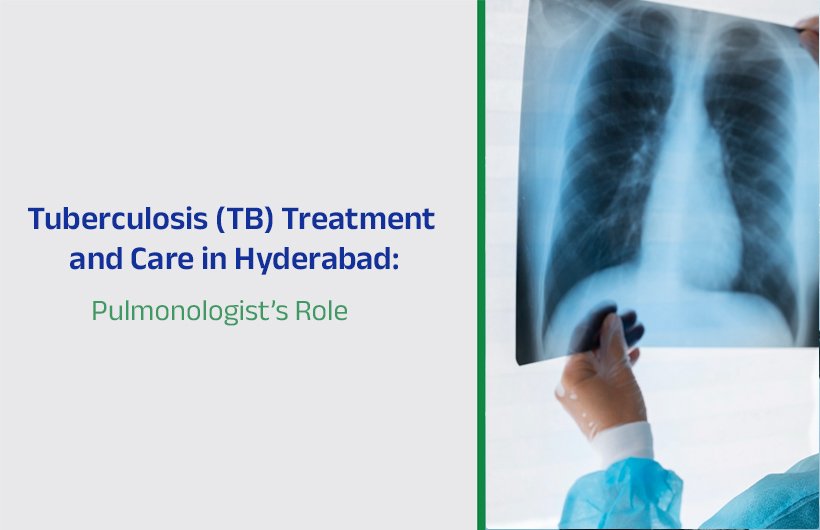
- Chest X-Ray: Shows signs of TB infection in the lungs.
- Skin Test (Mantoux Test): Indicates if your body has reacted to TB bacteria.
- Blood Tests (IGRA): Detect immune response to TB bacteria.
Early diagnosis helps in beginning treatment sooner and reduces the risk of spreading TB to others.
What Does TB Treatment Involve?
After diagnosis, TB is treated with daily antibiotics for several months. Proper TB treatment and care in Hyderabad ensures complete recovery when medicines are taken exactly as prescribed. Finishing the full course helps cure the infection and prevents drug-resistant TB.
Standard Treatment Approach
The most common treatment involves two phases:
- Intensive Phase (usually first two months): Four antibiotics are given together to kill actively growing bacteria.
- Continuation Phase (following four months or more): Two antibiotics continue to ensure all bacteria are eliminated.
The exact duration may vary based on the type of TB, for example, drug-resistant TB can require longer courses and specialised medications.
Why Treatment Adherence Matters
Taking medicines exactly as prescribed without missing doses is crucial. Incomplete treatment can lead to drug resistance, making TB harder to cure and risking further spread. A pulmonologist such as Dr. Kunal Waghray emphasises that finishing the full course, even if you start feeling better early, is key to complete recovery and public health safety.
What Support Can You Expect During TB Treatment?
TB care goes beyond just prescribing medicines. A pulmonologist in Hyderabad offers comprehensive support including:
- Regular follow-ups to monitor response to treatment
- Management of side effects from medications
- Nutritional guidance to boost recovery
- Advice on how to prevent spreading TB to family and community
Dr. Kunal Waghray explains that supportive care helps patients stay on treatment and reduces complications. This holistic approach not only treats the disease but also empowers patients to take control of their health.
Why Should You See a Pulmonologist for Tuberculosis?
A pulmonologist is a specialist trained specifically in lung diseases and respiratory infections, including TB. While a general physician may recognise initial symptoms, a pulmonologist digs deeper to provide:
- Accurate diagnosis with advanced tests
- Tailored treatment plans based on disease severity
- Expert management of complex cases like drug-resistant TB
- Counselling on lifestyle adjustments and prevention
In Hyderabad, consulting a seasoned pulmonologist like Dr. Kunal Waghray ensures you receive focused care that improves outcomes and promotes lasting health.
How Can TB Be Prevented?
Even while undergoing treatment or after exposure, you can take steps to reduce TB risk:
- Cover your mouth when coughing or sneezing
- Ensure good ventilation in living and working spaces
- Following hygiene best practices
- Get tested if you were in close contact with someone diagnosed with TB
- Complete the full course of treatment to avoid relapses and transmission
Prevention is as important as treatment in controlling tuberculosis within communities.
When Should You See a doctor?
If you have any of the symptoms listed above, especially a cough lasting more than three weeks, it’s time to consult a healthcare provider. Early evaluation and testing can help detect TB before it becomes severe or spreads to others.
Tuberculosis (TB) is a serious yet completely treatable disease when detected early and managed with the right medical care. Understanding the symptoms and treatment options of TB can help you identify warning signs in yourself or your loved ones before complications arise. Consulting a qualified TB Specialist Doctor in Hyderabad ensures accurate diagnosis, timely treatment, and continuous monitoring for a safe and complete recovery.
Symptoms such as a persistent cough, fever, night sweats, chest pain, or unexplained weight loss should never be ignored. Seeking early medical attention not only improves recovery outcomes but also prevents the spread of infection to others. With expert guidance, proper medication, and strict adherence to the treatment plan, most patients can fully recover and return to a healthy, active life.