


Lung cancer treatment has evolved significantly with the introduction of minimally invasive techniques. One such breakthrough is interventional bronchoscopy for lung cancer, which allows specialists to diagnose and treat tumors without the need for major surgery. This approach is particularly transformative for patients who may not be candidates for traditional surgery due to age, health complications, or advanced disease stages.
By consulting with the best pulmonologist in Hyderabad, patients can access these specialized procedures to manage symptoms and target tumors with greater precision. By leveraging the latest lung cancer treatment technologies, interventional pulmonology offers a path toward faster recovery times and a significantly better quality of life.
What Is Interventional Bronchoscopy for Lung Cancer?
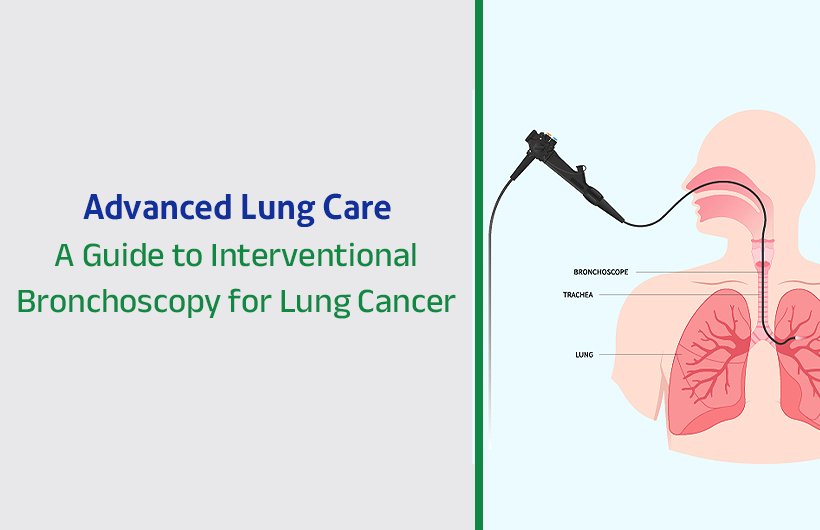
Interventional bronchoscopy for lung cancer is an advanced, minimally invasive procedure used within the specialized field of interventional pulmonology lung cancer treatment. It involves the use of a thin, flexible tube equipped with a high-definition camera—known as a bronchoscope—which is inserted through the nose or mouth into the lungs.
Unlike a standard diagnostic bronchoscopy, this therapeutic version allows doctors to perform precise actions directly inside the airways. It serves as a vital bridge in the lung cancer treatment process, enabling specialists to:
- Perform precise biopsies: Gathering essential tissue samples to guide the next steps of care.
- Remove tumor growths: Physically clearing cancerous masses to improve patient comfort.
- Clear obstructed airways: Opening passages to restore easier breathing.
- Deliver targeted therapies: Providing specialized treatment directly to the site of the cancer.
Why is Interventional Bronchoscopy Used to Treat Lung Cancer?
This technique is a cornerstone of advanced bronchoscopy treatment for lung cancer because it addresses both the cancer itself and the secondary complications that affect a patient’s quality of life.
Key reasons for its use include:
Airway Clearance
Tumors often block the bronchial tubes, causing severe shortness of breath (dyspnea). Bronchoscopy can physically clear these blockages.
Symptom Management
It effectively controls internal bleeding and manages infections caused by tumors.
Suitability
It is often the best path for patients who are considered “high-risk” for traditional thoracic surgery.
Synergy
It can be used alongside chemotherapy or radiation to stabilize a patient’s breathing, making them strong enough to continue further treatments.
How is the Interventional Bronchoscopy Procedure Performed?
The bronchoscopy procedure for lung cancer is typically performed in an outpatient setting or during a short hospital stay. It is designed to be efficient, often taking only 30 to 60 minutes.
The Step-by-Step Process:
Preparation
Patients receive sedation or general anesthesia to ensure they are comfortable and still. The throat is often numbed with a local anesthetic.
Insertion
The specialist guides the flexible bronchoscope through the natural airways (nose or mouth) and into the lungs.
Visualization
Using the camera, the doctor identifies the exact location and size of the tumor or obstruction.
Intervention
Depending on the need, the doctor uses specialized tools through the scope to debulk the tumor, place a stent, or apply heat/cold therapy.
Recovery
Once the scope is removed, patients are monitored for a short period. Most can return home the same day.
What Types of Treatments Are Done Through Bronchoscopy?
There are several specialized techniques used during a therapeutic bronchoscopy to restore lung function:
| Procedure | Function |
| Tumor Debulking | Physically removing the mass of the tumor to open the airway. |
| Stent Placement | Inserting a small mesh or silicone tube to keep a narrowed airway open. |
| Laser Therapy | Using high-intensity light to vaporize cancerous tissue. |
| Cryotherapy | Using extreme cold to freeze and destroy cancer cells. |
| Argon Plasma Coagulation | Using ionized gas to control bleeding and shrink tumors. |
| Balloon Dilation | Expanding narrowed airways to improve airflow. |
Possible Complications of Interventional Bronchoscopy
While considered one of the safest non-surgical lung cancer treatment options, like any medical procedure, there are minor risks involved. These are generally rare and manageable when performed by an expert:
- Minor bleeding at the biopsy or treatment site.
- Temporary throat irritation or cough.
- Infection (rare).
- Pneumothorax (a small air leak in the lung, which usually resolves on its own).
In most cases, the immediate benefit of improved breathing far outweighs these minimal risks.
Who Should Consider This Non-Surgical Lung Cancer Treatment?
You may be an ideal candidate for this advanced bronchoscopy treatment for lung cancer if you fall into any of the following categories:
- Patients with tumors causing significant airway obstruction or “collapsing” lungs.
- Individuals who are not healthy enough for a lobectomy or major lung surgery.
- Patients needing a definitive diagnosis and immediate symptom relief in one step.
- Those with early-stage “carcinoma in situ” that can be treated locally.
When Should You See a Specialist?
Understanding the Importance of Early Lung Cancer Screening can make a life-saving difference. Timely diagnosis allows for more effective treatment, especially in interventional pulmonology. If you notice any unusual or persistent symptoms, it’s crucial to consult a lung cancer specialist near you without delay.
You should seek expert medical advice if you experience:
- A persistent cough that doesn’t go away or has no clear cause
- Coughing up blood (hemoptysis)
- Gradually worsening shortness of breath
- Unexplained chest pain or sudden weight loss
Early consultation not only improves treatment outcomes but also opens more minimally invasive care options. Ignoring these warning signs can delay diagnosis, so prioritizing early screening and specialist evaluation is essential for better lung health.
Conclusion
In today’s rapidly evolving medical landscape, interventional bronchoscopy has emerged as a transformative advancement in oncology care. Offering a minimally invasive, non-surgical approach to lung cancer treatment, it prioritizes patient comfort while delivering rapid symptom relief. This innovation is not only improving survival rates but also significantly enhancing quality of life.
If you or a loved one is exploring advanced treatment options, consulting a Pulmonology & Critical Care Specialist in Hyderabad can be a crucial step forward. With expertise in interventional pulmonology, these specialists create personalized treatment plans that precisely target cancer while ensuring optimal respiratory function—helping you breathe easier and live better.