
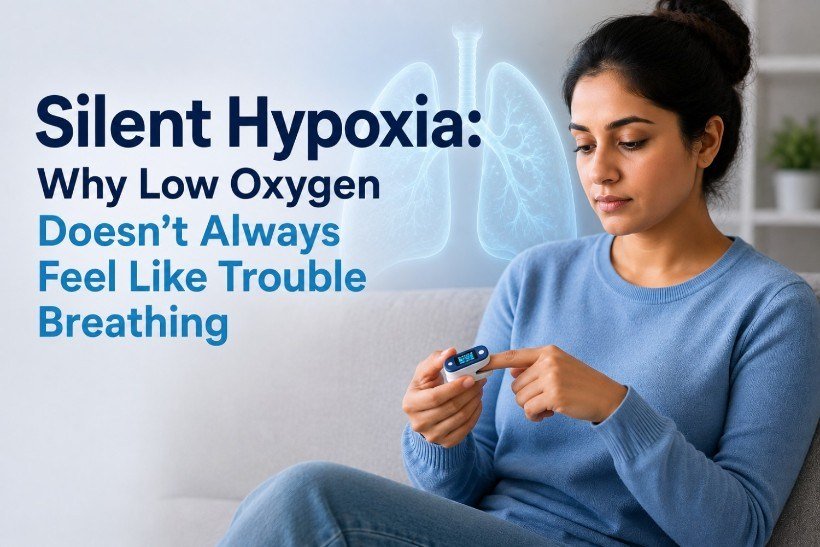

Most people assume that if their oxygen levels drop, they’ll feel it immediately, gasping, breathless, unable to catch their breath. Silent hypoxia is what happens when that assumption turns out to be wrong. It’s a state where blood oxygen levels fall to genuinely concerning levels while the person feels relatively fine, sometimes even comfortable enough to be walking around, talking normally, and going about their day. Dr. Kunal Waghray, a pulmonologist and critical care specialist in Hyderabad at KIMS – Sunshine Hospital, Begumpet, has seen this pattern often enough in both ICU and OPD settings to know it deserves far more attention than it usually gets, and understanding what triggers silent hypoxia can genuinely change how quickly someone gets the care they need.
What Exactly Is Silent Hypoxia?
Under normal circumstances, dropping oxygen levels trigger a strong sensation of breathlessness, your body’s built-in alarm system telling you to breathe harder or seek help. Silent hypoxia, sometimes called “happy hypoxia,” is when that alarm system doesn’t fire the way it should. Oxygen saturation can fall well below the safe range of 95 to 100 percent, sometimes into the 80s or lower, without the person experiencing the breathlessness you’d expect at those levels.
This gap between how low oxygen actually is and how someone feels is exactly what makes silent hypoxia dangerous. By the time visible symptoms do show up, often confusion, extreme fatigue, or bluish lips and fingertips, oxygen levels may already be critically low, and the situation
has less room for a calm, planned response.
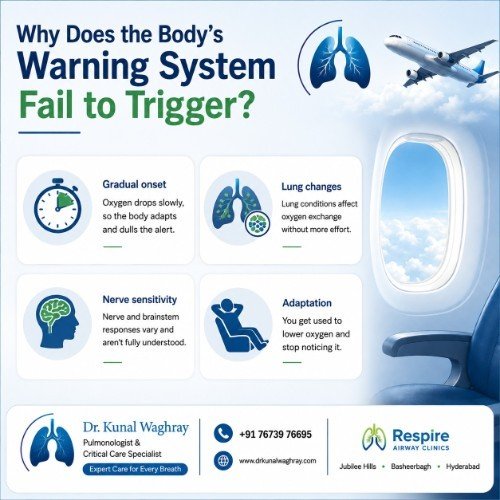
Why Does the Body’s Warning System Fail to Trigger?
Several mechanisms can explain why silent hypoxia happens instead of the usual breathlessness response:
- Gradual onset — when oxygen drops slowly over hours or days rather than suddenly, the body can partially adapt in ways that blunt the sensation of breathlessness
- Lung tissue changes, particularly in conditions like COVID-19 pneumonia or interstitial lung disease, that affect how oxygen is exchanged without necessarily increasing the work of breathing the same way other conditions do
- Underlying nerve or brainstem sensitivity differences, which vary between individuals and aren’t fully understood even now
- Distraction and adaptation, where someone gradually gets used to a lower baseline and stops noticing the difference day to day
This is part of why silent hypoxia became such a widely discussed topic during the COVID-19 pandemic, but it isn’t limited to COVID. It can occur with several chronic lung conditions and in certain high-altitude or critical illness situations too.
Who Is Most at Risk of Silent Hypoxia?
Certain patients are more likely to experience silent hypoxia and should be more cautious about monitoring their oxygen levels:
- Patients recovering from COVID-19 pneumonia, even those with otherwise mild symptoms
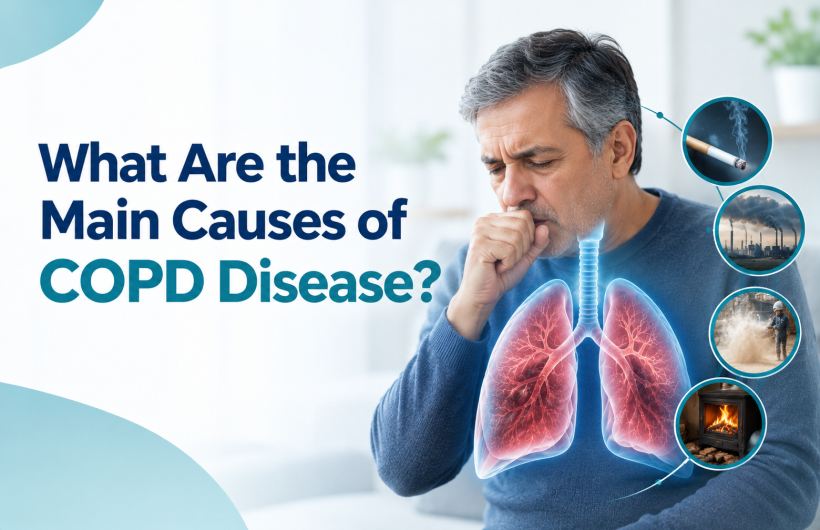
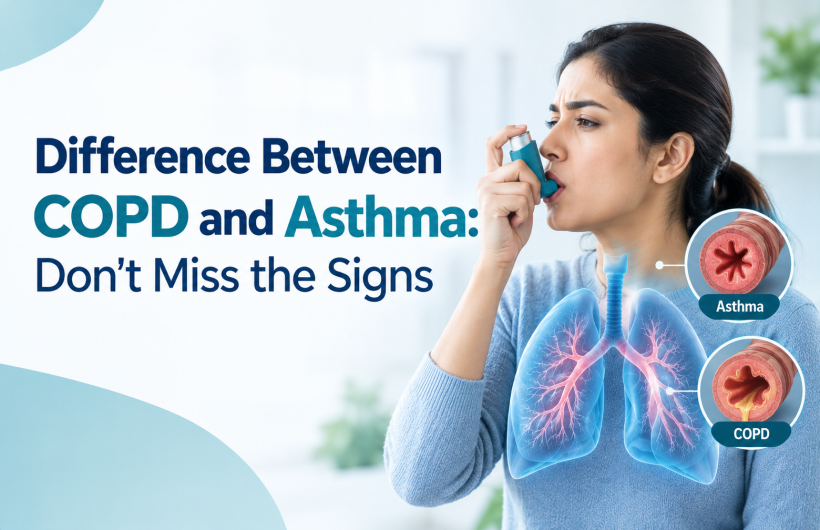
- People with interstitial lung disease (ILD) or advanced COPD
- Elderly patients, whose breathlessness response can be naturally blunted with age
- Patients with diabetes, which can sometimes affect nerve sensitivity involved in breathlessness perception
- Anyone with a chronic lung condition who has previously been told their oxygen levels “don’t match how they feel”
If you fall into one of these groups, it’s worth treating a pulse oximeter as a genuinely useful tool rather than an optional gadget.
Warning Signs That Can Accompany Silent Hypoxia
Because breathlessness itself may be absent or minimal, it helps to know the other signs that can point to low oxygen levels:
- Unusual fatigue or drowsiness that doesn’t match your activity level
- Confusion, difficulty concentrating, or feeling unusually “foggy”
- A bluish tinge to the lips, fingertips, or nail beds
- A rapid heart rate without an obvious cause
- Restlessness or a vague sense that something isn’t right, even without breathlessness
If you or a family member with a known lung condition notices any of these, checking oxygen saturation with a pulse oximeter takes seconds and can clarify whether it’s worth seeking care promptly.
How Dr. Waghray Evaluates and Manages Silent Hypoxia
When silent hypoxia is suspected, Dr. Kunal Waghray starts with a resting oxygen saturation check, often followed by a six-minute walk test to see how oxygen levels respond to mild exertion, since some patients only show a drop during activity rather than at rest. Where an underlying cause isn’t already known, further testing, such as chest imaging or pulmonary function tests, helps identify what’s driving it.
Management focuses on treating the underlying condition, whether that’s post-COVID lung changes, ILD, or advanced COPD, alongside supplemental oxygen where levels are consistently low enough to need it. For higher-risk patients, home pulse oximeter monitoring is often recommended as an ongoing safety check rather than a one-time test.
When Should You Use a Pulse Oximeter at Home?
A pulse oximeter is genuinely useful for patients recovering from significant respiratory illness or living with chronic lung disease, but it isn’t necessary for everyone. It’s worth using regularly if you:
- Are recovering from COVID-19 pneumonia or a significant chest infection
- Have a diagnosed chronic lung condition like COPD or ILD
- Have been told by your doctor that your symptoms don’t reliably reflect your oxygen levels
- Notice any of the warning signs above, even without breathlessness
A reading consistently below 94 percent, or any reading below 90 percent, warrants prompt medical attention rather than a wait-and-watch approach.
Meet Dr. Kunal, Pulmonologist & Critical Care Specialist in Hyderabad
Get expert care for bronchiectasis and other respiratory conditions. Schedule a consultation with Dr. Kunal for personalized diagnosis and treatment.
Frequently Asked Questions
Q: Is silent hypoxia only related to COVID-19? A: No. While it became widely known during the pandemic, silent hypoxia can occur with interstitial lung disease, advanced COPD, and other conditions that affect oxygen exchange without proportionally increasing breathlessness.
Q: How low does oxygen need to be before it’s dangerous? A: Generally, saturation below 94 percent needs medical attention, and anything below 90 percent is considered an emergency regardless of how the person feels. Silent hypoxia is exactly why relying on how you feel alone isn’t reliable in at-risk patients.
Q: Are home pulse oximeters accurate enough to rely on? A: Good-quality pulse oximeters are generally reliable for tracking trends, though results can be affected by cold hands, nail polish, or poor circulation. If a reading seems unexpectedly low, it’s worth rechecking and seeking medical advice rather than dismissing it.
Q: Can silent hypoxia happen to someone with no lung disease at all? A: It’s uncommon but not impossible, particularly during acute illness like pneumonia. It’s far more frequently seen in patients with an existing chronic lung condition or recent significant respiratory infection.
Q: What should I do if my oximeter reading is low but I feel fine? A: Trust the reading over how you feel, since that mismatch is the entire point of silent hypoxia. Recheck after resting for a few minutes, and if the low reading persists, seek medical attention rather than waiting for symptoms to appear.
The Takeaway
Silent hypoxia is a reminder that feeling fine isn’t always the same as being fine, particularly for patients with chronic lung conditions or recent respiratory illness. A pulse oximeter is a small, inexpensive way to catch what your body’s own warning system might miss. Dr. Waghray sees patients for oxygen-level evaluation and chronic lung disease management at KIMS – Sunshine Hospital, Begumpet, Monday to Saturday. Contact us to book a consultation, or WhatsApp us if you have a quick question about your symptoms first.
This content is for educational purposes and isn’t a substitute for an in-person medical consultation. Please see a pulmonologist for diagnosis and treatment tailored to your condition.